Scaling Design and Elevating UX
At Sofar Sounds, I played a pivotal role in establishing and scaling the DesignOps function from the ground up, ultimately growing the design team and embedding UX practices across the company. When I joined Sofar, there was no formal DesignOps structure. By the time I left, I had grown the team to four members, managed both a Junior Researcher and a Senior Product Designer, and laid the groundwork for hiring a Head of Design.
Team Growth and Leadership
Scaling the design team from scratch was both a challenge and a rewarding experience. I grew the team by hiring strategically—adding both permanent and contract resources, tailoring roles to fill key gaps, and building a diverse team across London and Boston. I was heavily involved in the recruitment process, from writing job specs to designing tasks for whiteboard challenges, all the way through interviewing and onboarding. My efforts helped bring on exceptional talent that contributed to the team's strong performance and collaboration.
My leadership style focused on nurturing individual growth, fostering cross-functional collaboration, and creating a supportive culture. I implemented structured onboarding processes to ensure every new hire had the tools, resources, and support needed to succeed, including welcome packs, tailored onboarding Trello boards, and organized mentorships.
DesignOps Structure and Efficiency
One of the most significant contributions I made at Sofar was designing and implementing scalable processes that amplified the team’s value. When I first arrived, there were no formal kickoff meetings, briefs, or structured tracking for design work. I introduced and refined processes such as Jira sprints, user stories, and design principles that helped the team align with engineering, streamline workflow, and manage projects effectively.
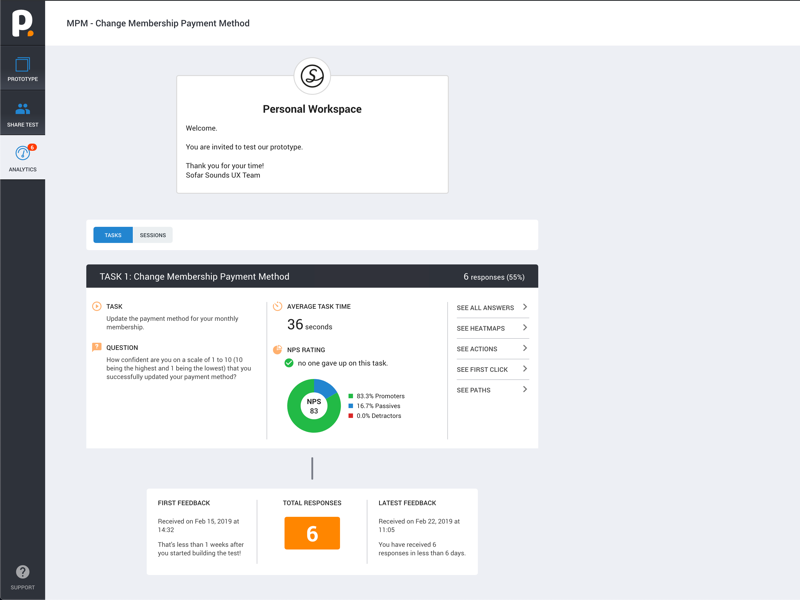
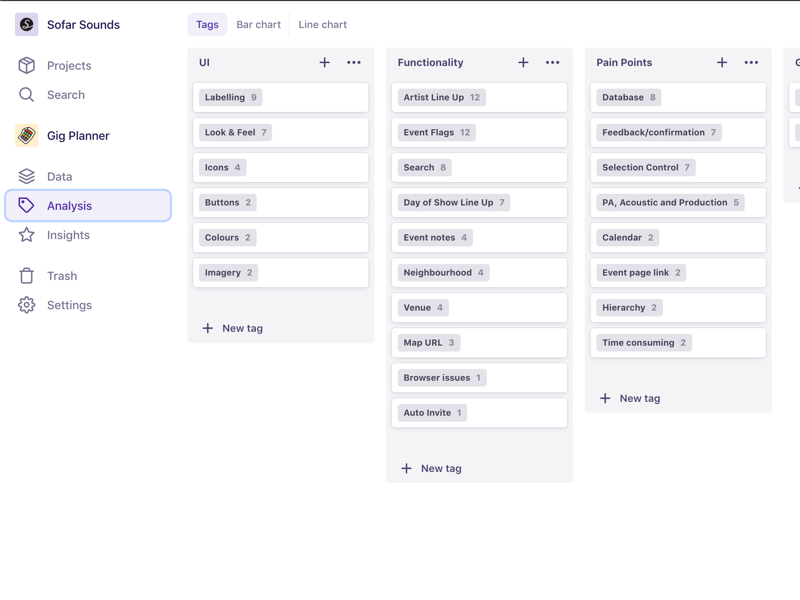
A key challenge was integrating UX into the fast-paced agile development cycles. I worked closely with product managers and engineers to ensure design and research had a seat at the table, driving value through user-centred design while keeping the team adaptable within sprint constraints. I also introduced quantitative research metrics such as System Usability Scores (SUS) and Single Usability Metrics (SUM) to benchmark and validate our design decisions, which allowed us to continuously improve product usability.


Evangelizing UX and Building the Design System
One of my most fulfilling accomplishments was evangelizing UX across the company. I led initiatives to introduce design critique sessions, design reviews, and collaboration workshops with engineers and product managers. These efforts fostered a design-led culture, where user experience was no longer just a function—it became central to product development and decision-making.
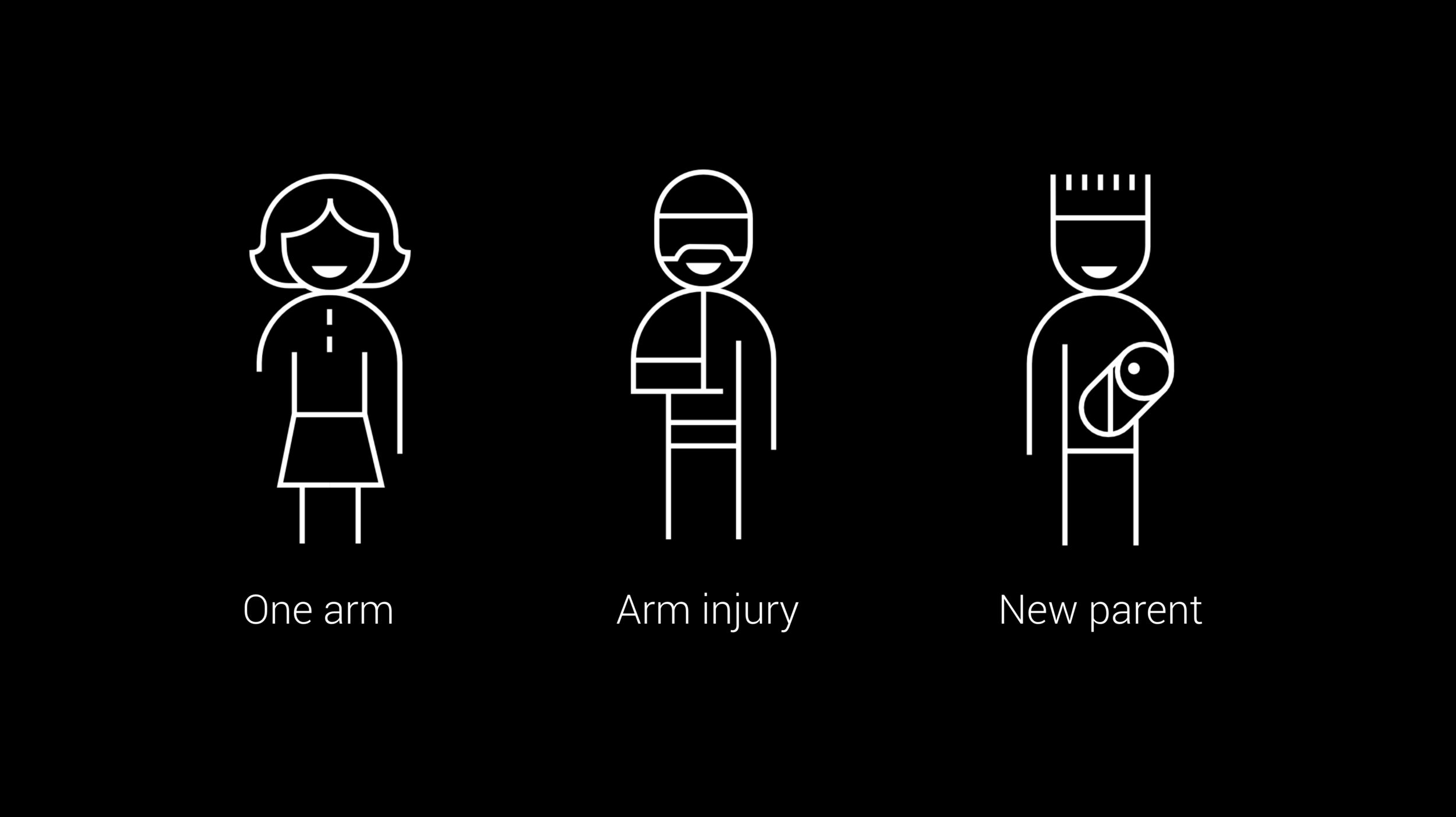
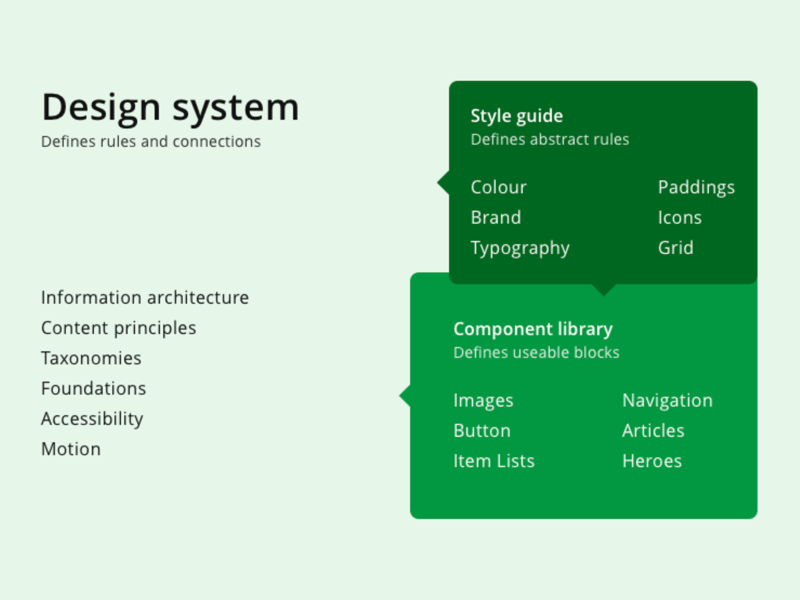
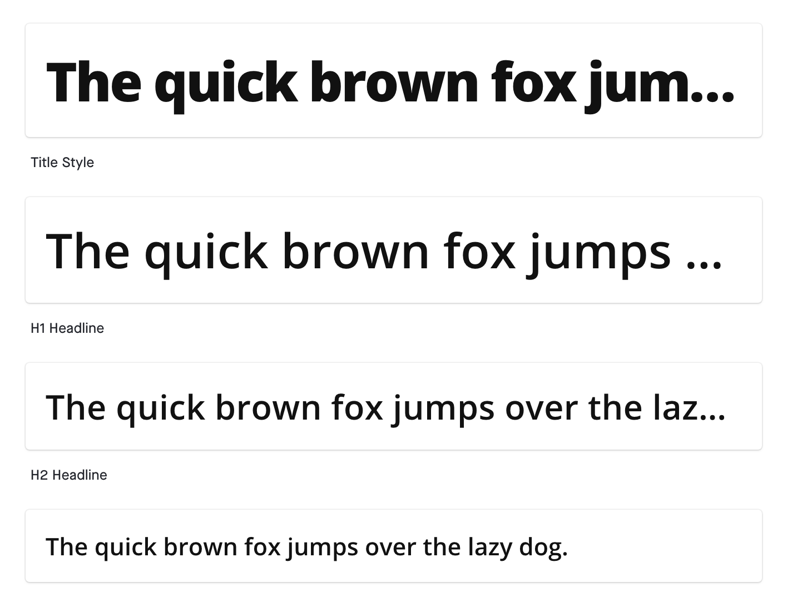
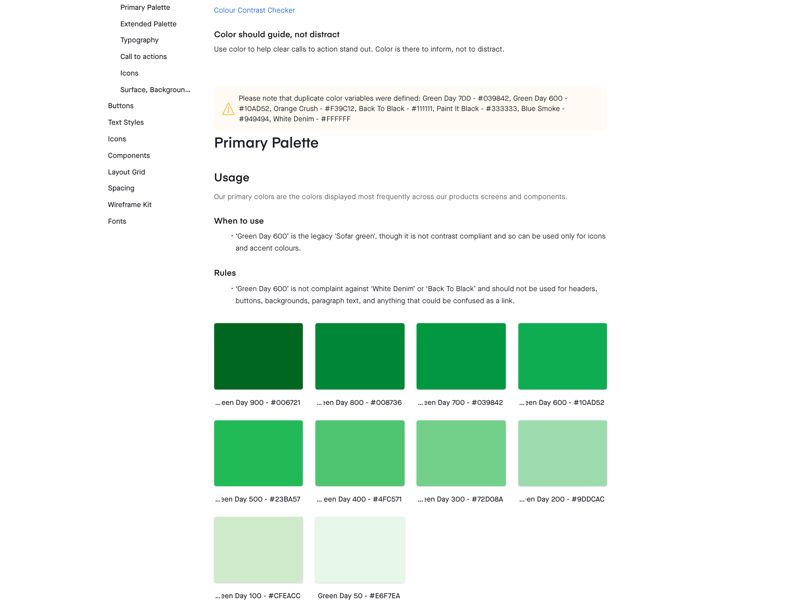
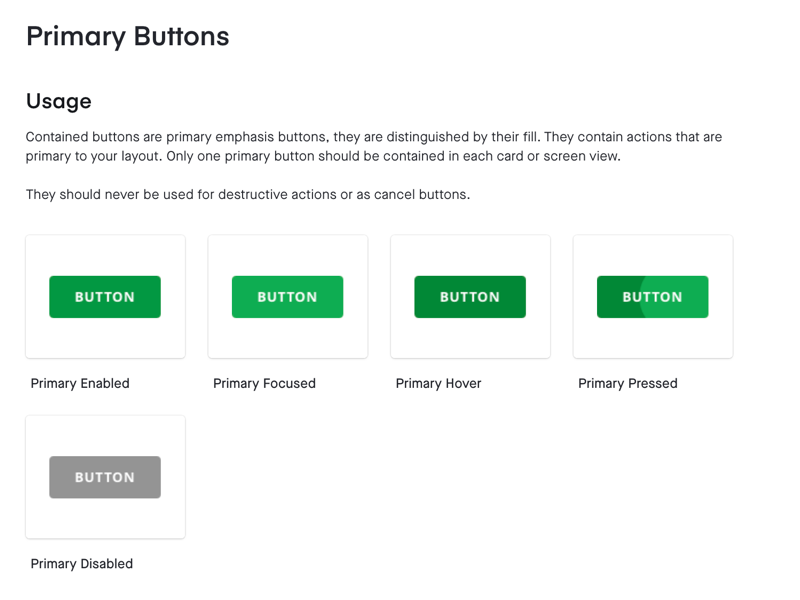
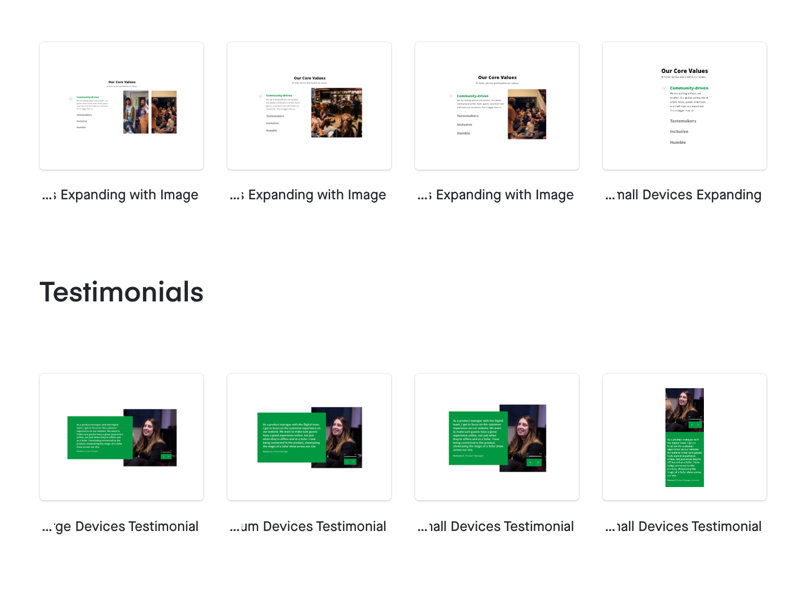
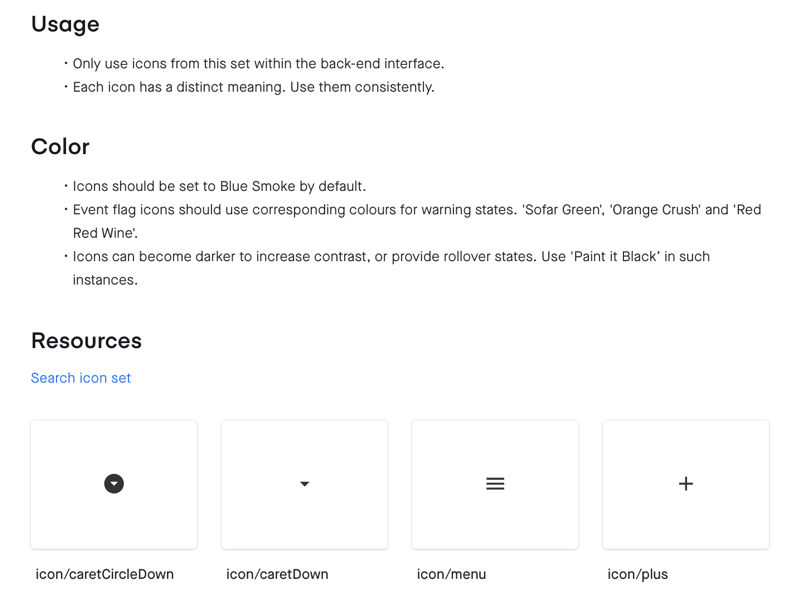
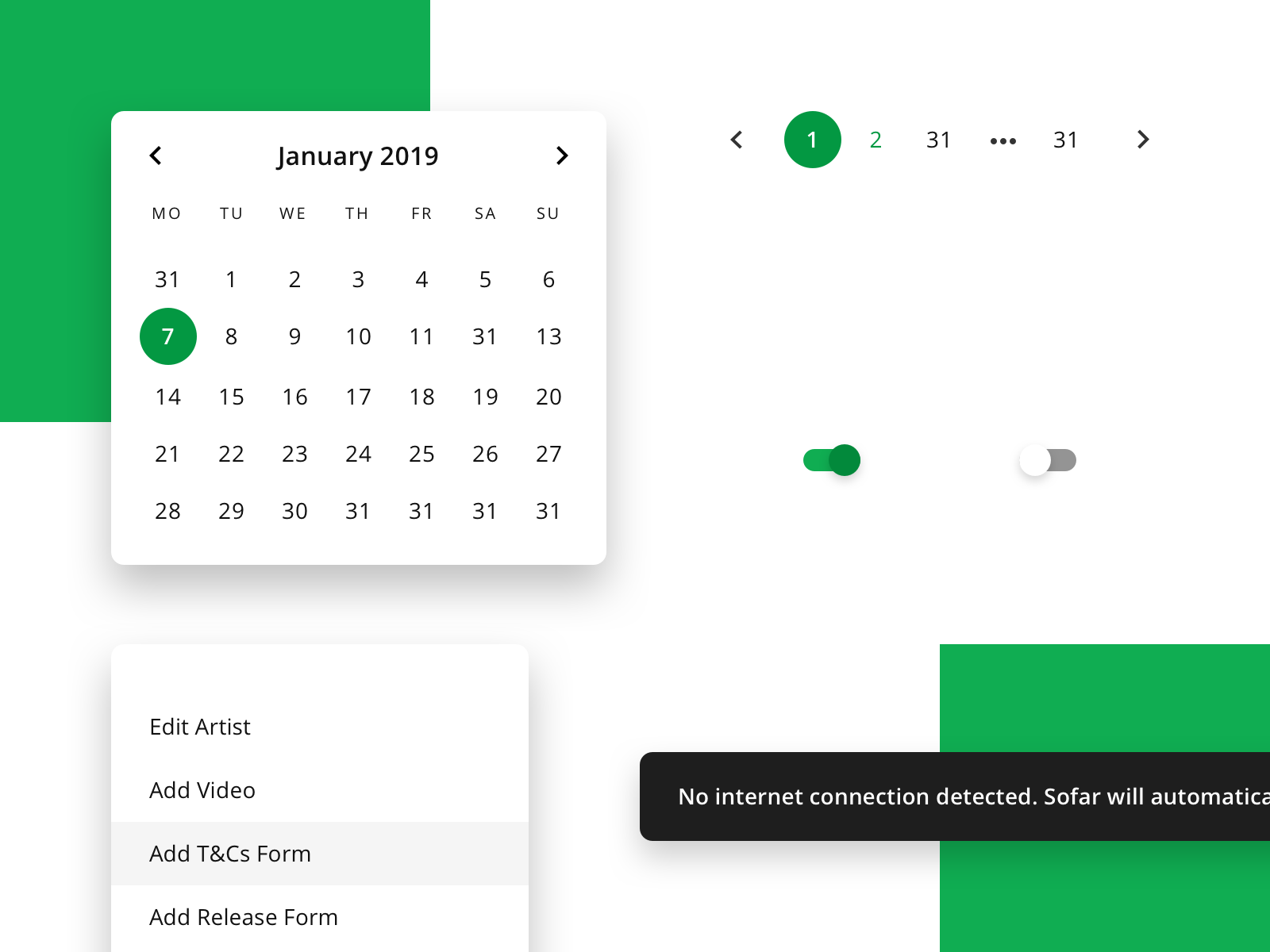
I also spearheaded the creation of Maestro, Sofar’s first comprehensive design system. When I arrived, the design assets were outdated, and there was no unified system in place, leading to inconsistencies across products. I led the heuristic evaluation of the existing site and pitched the concept of a design system to the leadership team. Once we secured buy-in, I collaborated with the digital team to build Maestro from the ground up, focusing on accessibility, inclusivity, and scalability.
Maestro became a game-changer, providing a shared language between designers and developers, streamlining design processes, and reducing time-to-market for new features. We implemented it across key areas of the platform, including a complete blog redesign and an overhaul of the checkout experience. We ensured consistency across platforms and delivered a robust, responsive system with full usage guidelines, benefiting the entire company.


Culture and Mentorship
Creating the right team culture was a priority for me. I fostered a positive, open environment where collaboration, mentorship, and development were at the core. I mentored team members using the ‘8 competencies of user experience’ model to ensure continuous growth in both soft and hard skills. We hosted regular design critiques, stand-ups, and retros, but we also made time for team outings, music-sharing sessions, and plenty of fun moments that made the workplace enjoyable.