Sofar Sounds Admin Platform
Sofar Sounds hosts hundreds of live music events globally every week, with performances happening in diverse venues like homes, bars, and unique spaces in cities like Paris, LA, and London. The Gig Planner was an admin platform that helped Sofar staff across the world manage every aspect of these events, from booking venues to artist selection. However, the system was outdated, leading to inefficiencies and fragmented workflows. Our goal was to create a unified, user-friendly platform that streamlined event planning and improved data security.
Date: Q3 2018 - Q2 2019
Gig Planner
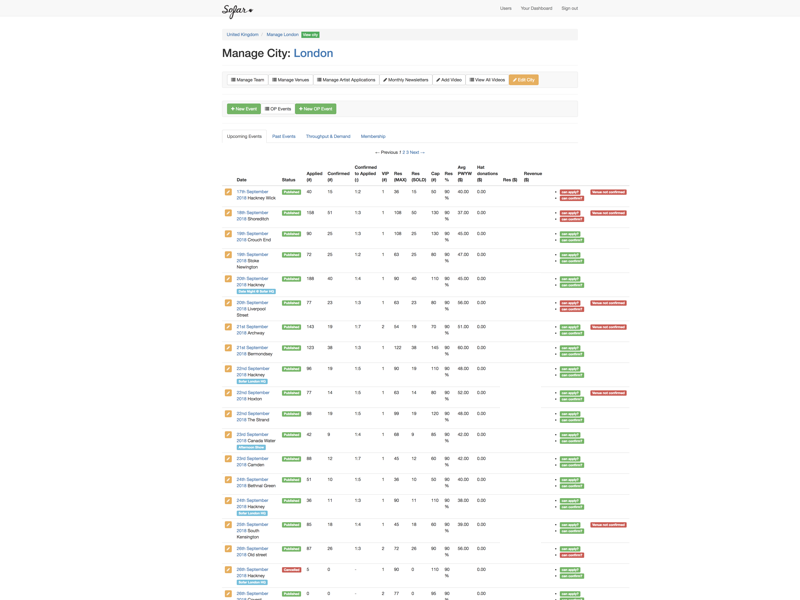
Across the world, in hundreds of cities, Sofar Sounds curate hundreds of music performances every week. From someone’s living room in Paris to a tiki bar in LA and anything between a London Masonic temple to a Balearic villa. Our internal teams used various spreadsheets, productivity tools, and an old Bootstrap and Rails system to control the on-site events.
Problem
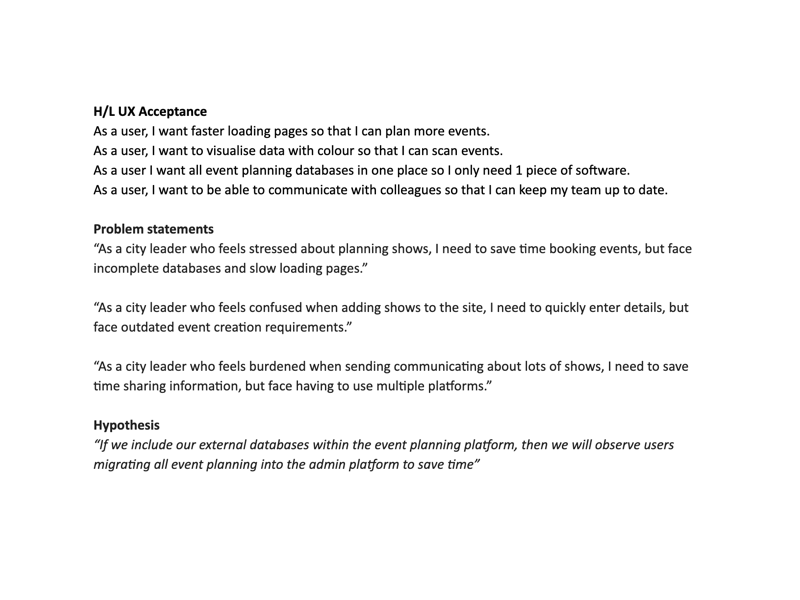
Staff across hundreds of cities used various disjointed tools—spreadsheets, paper notes, and third-party software—to manage event planning. This created inconsistencies, inefficiencies, and security risks. The original admin platform was neglected due to poor usability and manual updates led to duplication of effort and data entry errors. Our hypothesis was that centralizing all Core Operations services into a single internal platform would increase efficiency and secure data management.
Key Challenges:
Disjointed systems: Teams used different tools for the same tasks, leading to inefficiencies.
Data fragmentation: Information was spread across multiple formats, resulting in duplication and potential security risks.
Abandoned platform: The existing admin platform was no longer in use due to its outdated and cumbersome design.
Our goal was to unify the tools and streamline workflows, making event planning more efficient and secure.
Users & Audience
The platform’s users included Sofar’s global teams, such as City Directors, Artist Bookers, Venue Scouts, and members of the Finance and Growth teams. They needed a platform that was easy to use and accessible, reducing the cognitive load required to manage events.
Roles & Responsibilities
I was the Lead Product Designer on the project, working with a Junior Researcher, Product Manager, and an Engineering team distributed globally. Stakeholders included the VP of City Operations, Head of Product, and VP of Technology. I led the design process from research and ideation to implementation, collaborating closely with the team and stakeholders to align the platform with business and user needs.
Scope & Constraints
When I joined Sofar Sounds, the project was already underway but lacked a clear direction. While the Junior Researcher and Product Manager had gathered some insights through diary studies and contextual inquiries, the research lacked depth and alignment with stakeholder goals. Additionally, there was confusion about whether the solution should be an external or internal platform, adding unnecessary complexity. Our main constraint was working with a distributed team that was already balancing multiple ongoing projects.
Process
Work completed by the Junior Researcher and Product Manager included diary studies and contextual inquiries. The Researcher had produced research recommendations, and the Product Manager had created a user story map, which would act as a timeline for our deliverables.
With the project brief now relayed to me, these two team members believed that their roles on the project were complete. After emailing over the artefacts, they both took some time off work. I had a few days to review the artefacts and work on defining a process. And when they returned to work, I had many questions as the research recommendations only dictated that the users wanted to save time, and the research didn't go into depth. There were also multiple contradictions and errors with the user story map. I also found that no kick-off meeting had previously taken place also the senior stakeholders had no involvement in writing the brief.
Discovery
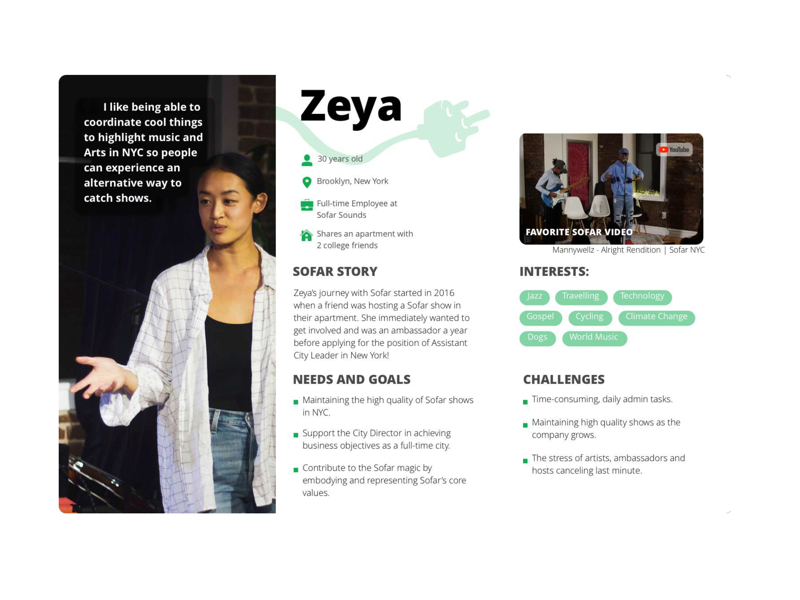
I quickly realized that we didn’t have enough user insights to proceed. I worked with the Junior Researcher to conduct surveys and interviews, allowing us to create personas to represent the different roles using the platform. I also performed a heuristic analysis of the existing system and a competitor analysis to understand the landscape of event planning software.
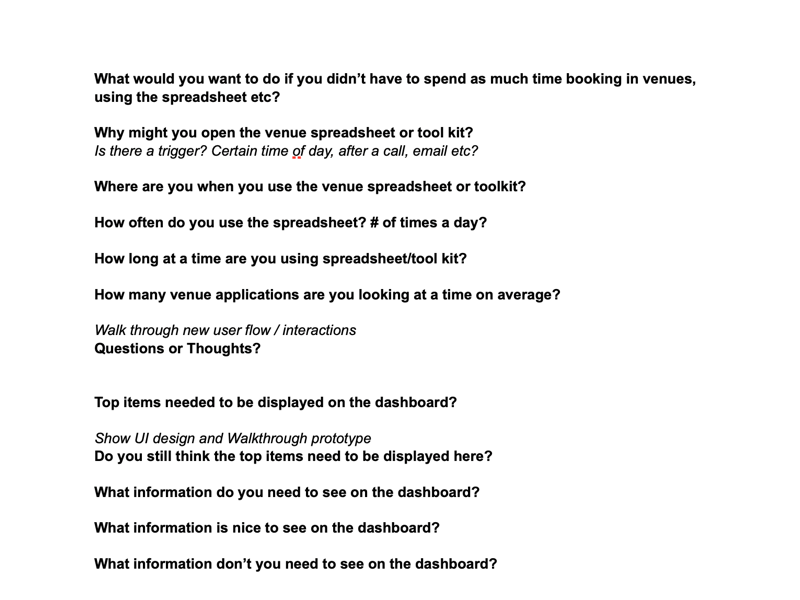
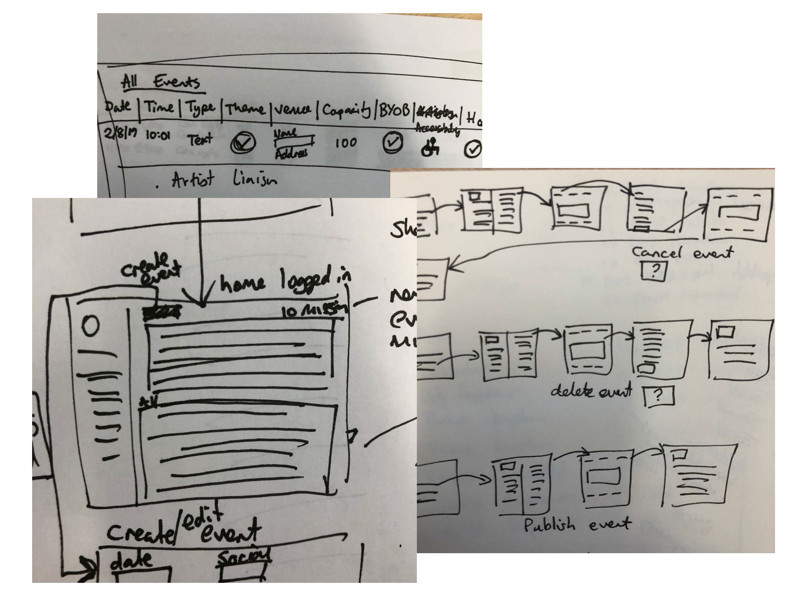
We hosted a much-needed kick-off meeting with all stakeholders, engineers, and the wider team. During this session, I presented low-fidelity sketches and a discussion guide to align the team on user needs and business goals. This meeting was crucial in clarifying that the solution should be internal, preventing us from mistakenly building an unnecessary external layer.

Define
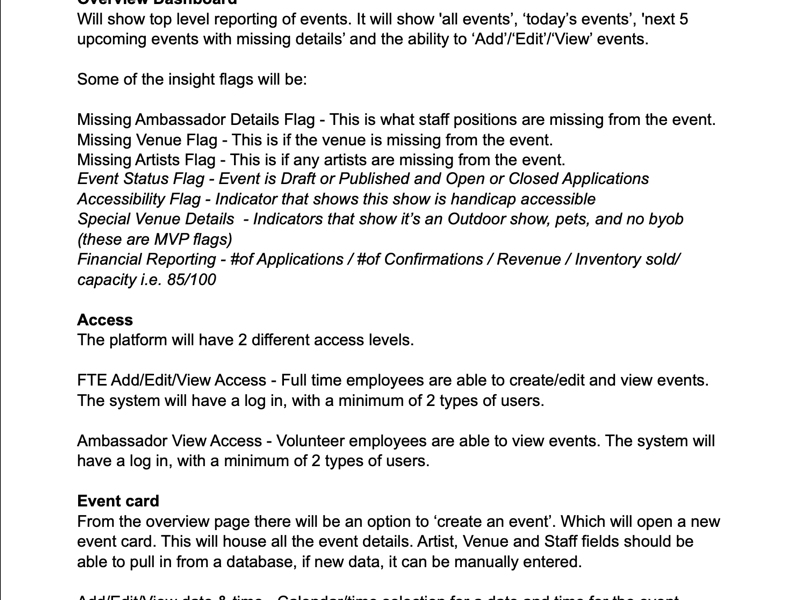
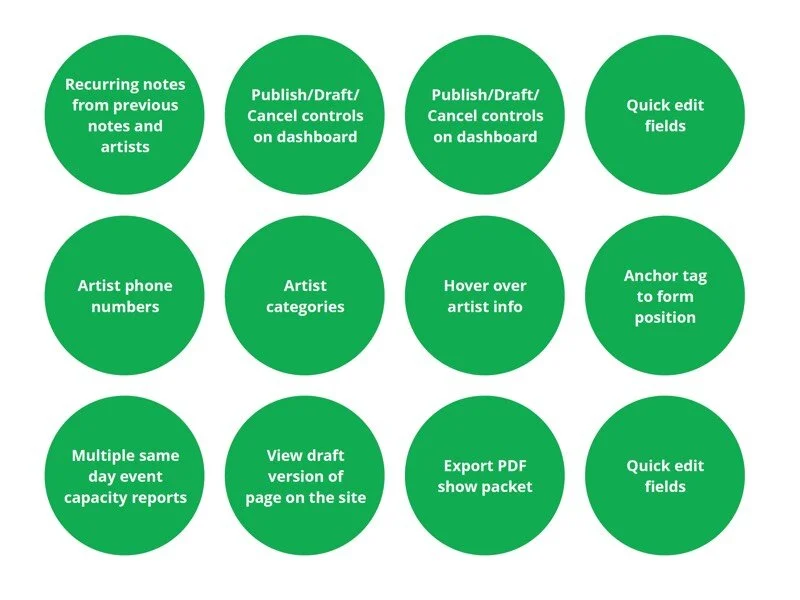
With a clearer understanding of user needs and technical feasibility, we revisited the user story map and evolved it into a more accurate representation of the platform’s requirements. I worked closely with the Product Manager to define user flows, content structure, and key features that aligned with both user pain points and stakeholder objectives.

Develop
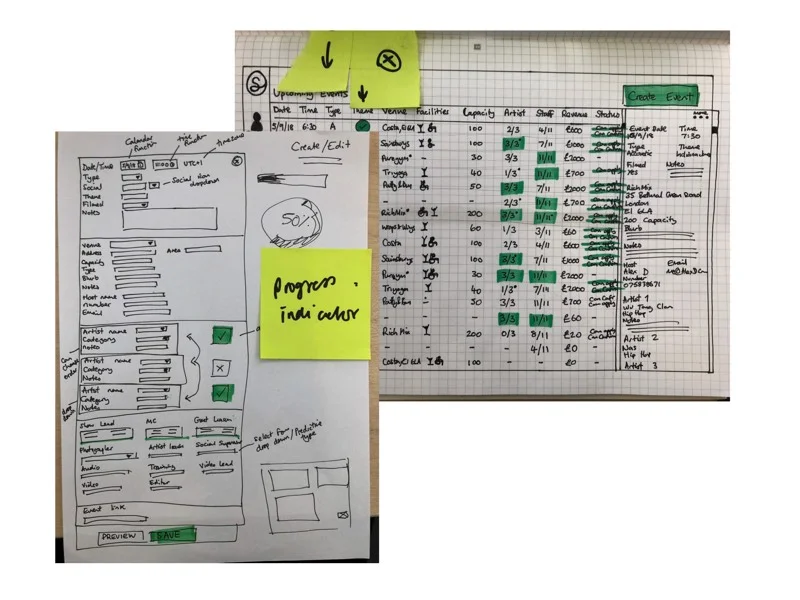
Once the team was aligned, we moved into the design phase. I created low-fidelity prototypes for feedback, which allowed stakeholders and engineers to visualize the solution. We refined these designs through multiple rounds of feedback, ensuring they addressed user pain points while keeping technical feasibility in mind.
Key design features included:
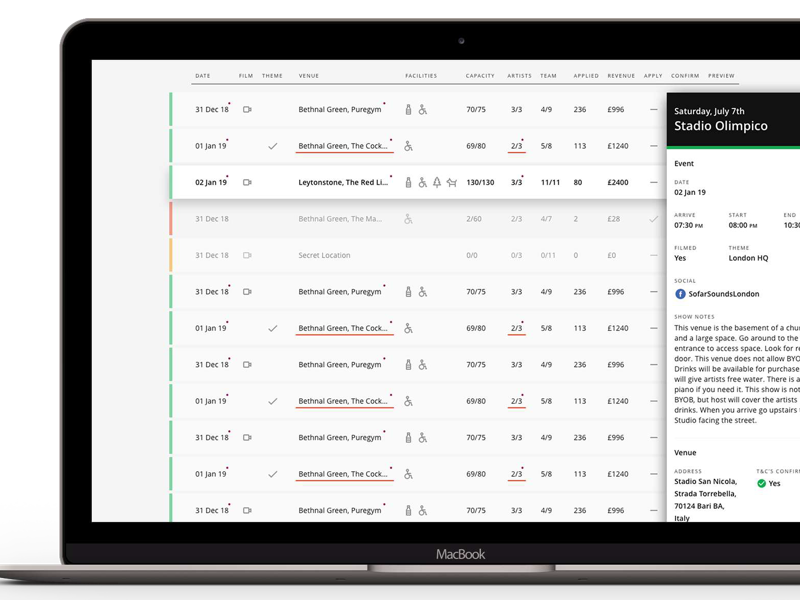
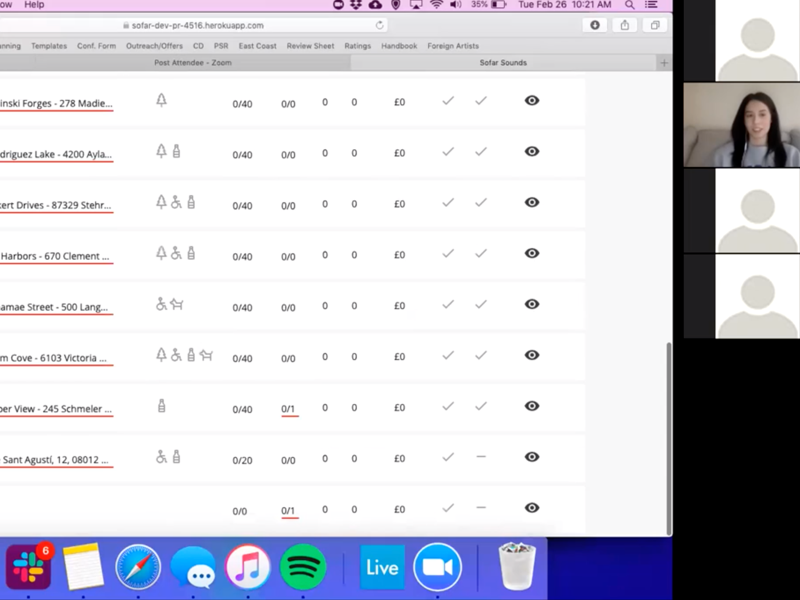
Off-canvas slide-out menu: This reduced transitions between loading pages, improving user efficiency.
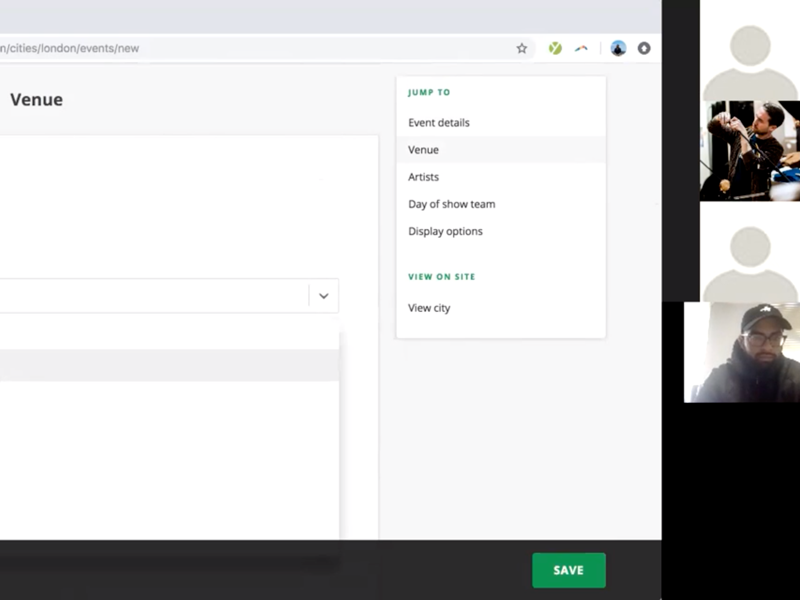
Intuitive forms: I restructured the forms to reduce clicks and cognitive load, making it easier for users to input data.
Optimized event reporting: Simplified reporting features allowed users to track events more efficiently.
We faced some scope creep during this phase, with stakeholders suggesting additional features that did not directly solve user problems. We placed these ideas in the backlog for future iterations, staying focused on delivering an MVP that met the core needs.
Usability Testing
We moved to high-fidelity wireframes and conducted usability testing with users in various cities, including corridor and guerilla testing with the London team. We also ran tree tests and card sorts to optimize the platform’s navigation and information architecture.
During these tests, we identified several issues:
Iconography confusion: Some users didn’t understand the new dashboard icons.
Ambiguous form states: Users found the "Confirm" and "Apply" buttons unclear.
Component labelling: A missing label on one component led to user confusion.
I iterated on the design based on this feedback and ran further usability tests to validate the changes. This process allowed us to refine the interface and ensure it was intuitive and accessible to all users.


Deliver
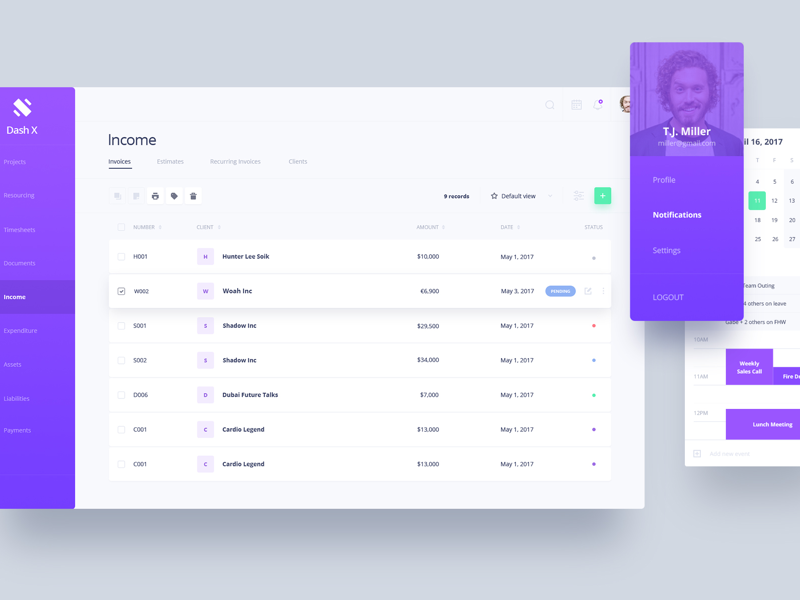
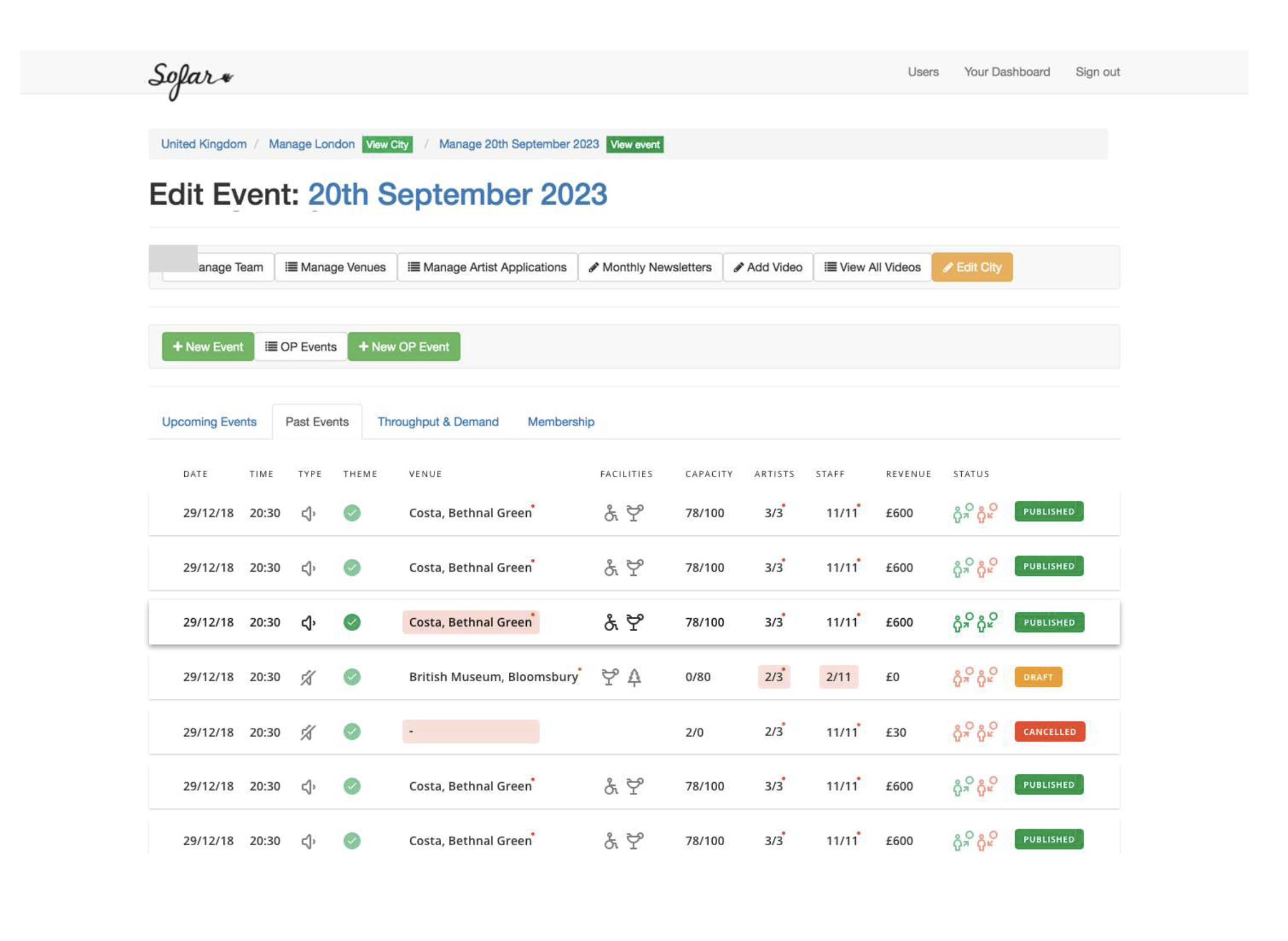
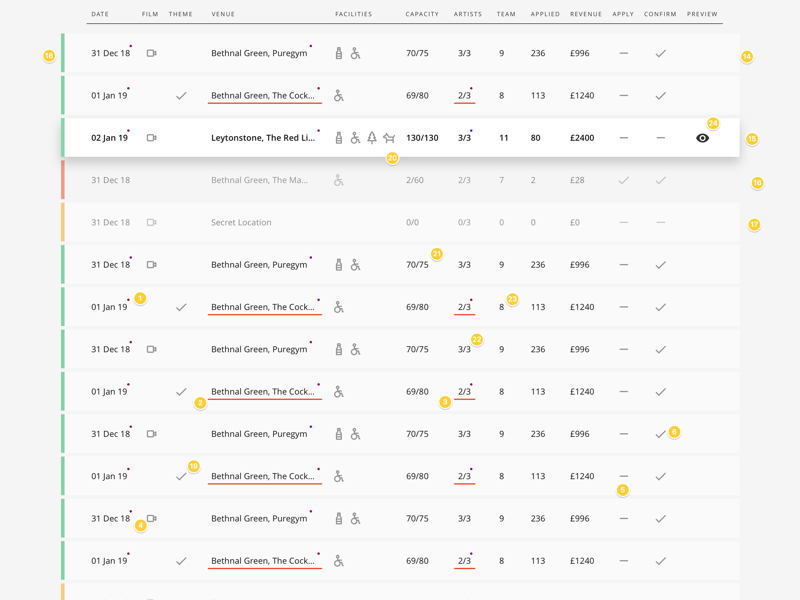
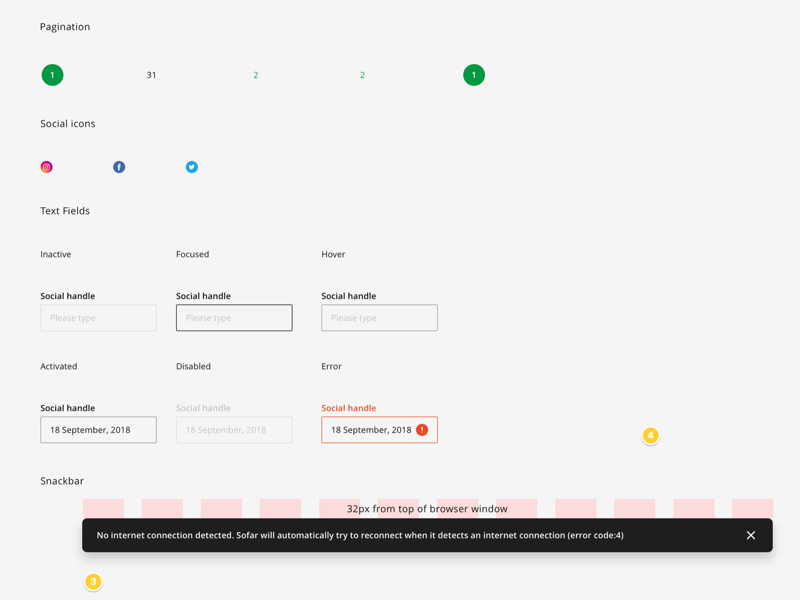
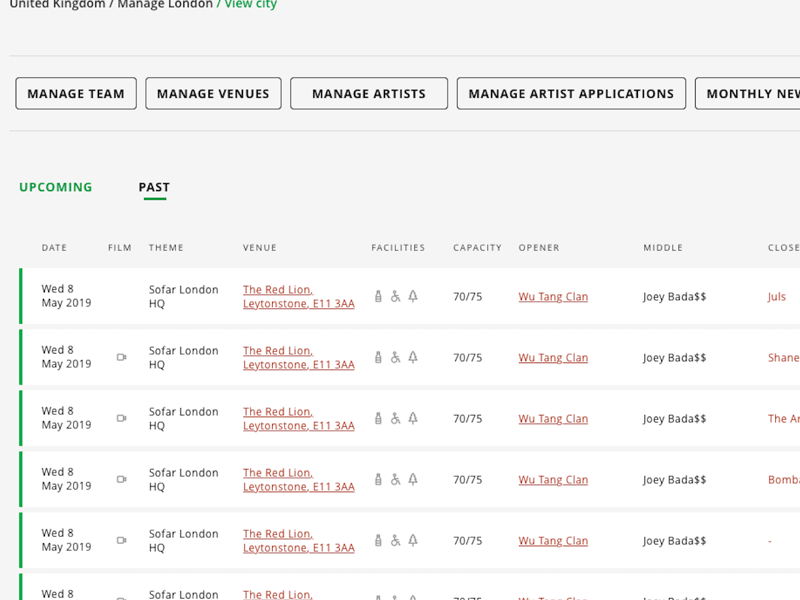
As we approached the final design, I created all UI elements, including the dashboard, form components, and error states. I ensured that the design was accessibility-compliant, particularly regarding navigation and contrast. The platform was also integrated into our Design System, allowing for consistency and easier future updates.
I worked closely with the Engineering team during the development phase, ensuring that all design elements were implemented correctly. We faced a delay when engineers proposed a new reusable form schema, which added over a month to the project timeline. Despite this, we maintained close collaboration, conducting UAT and addressing bugs and design inconsistencies as they arose.
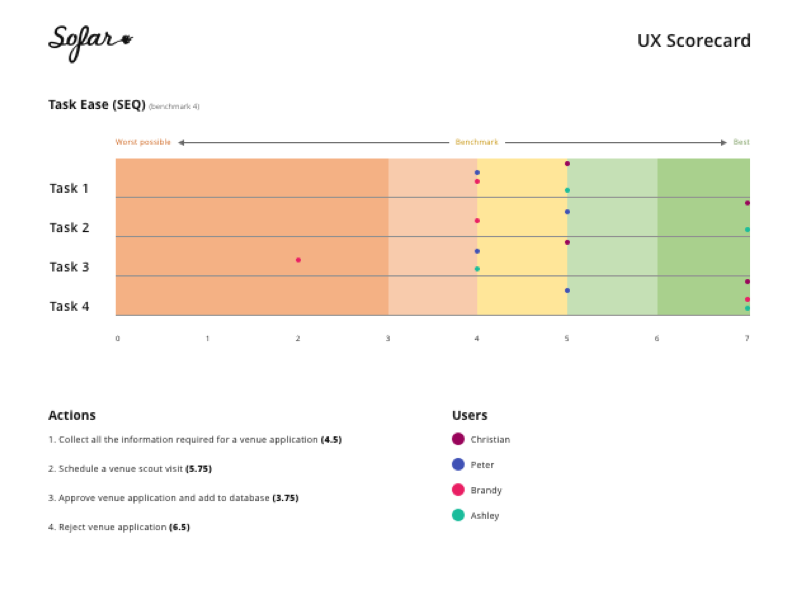
After several rounds of testing and refinement, we deployed the Gig Planner for Beta testing. I sent out a System Usability Scale (SUS) survey to gather user feedback, which gave us a quantifiable measure of platform usability.



Outcome & Lessons
Key Outcomes:
Global Rollout: The platform was successfully released in stages to Sofar teams worldwide and officially rolled out on June 11, 2019.
Increased Efficiency: The new platform drastically reduced the time required for event planning and eliminated the need for multiple disjointed tools.
Improved UX Benchmarking: We introduced UX benchmarking for the platform, allowing the team to track and improve the design’s impact over time.
Streamlined Maintenance: The new architecture, built on React, made it easier for engineers to maintain and update the platform.
Key Learnings:
The importance of alignment: The initial lack of alignment between stakeholders and the team almost led to a misguided solution. Regular, structured communication was key to keeping the project on track.
Fighting scope creep: While it’s tempting to add features, staying focused on the MVP ensures that the core product is delivered efficiently without unnecessary delays.
User-centred design: Simplifying complex workflows and reducing cognitive load significantly improved the platform’s usability, making it more effective for global teams.
This project was a prime example of how collaborative design and user-centred thinking can transform an inefficient tool into an effective, scalable platform. The Gig Planner is now the backbone of Sofar’s global event operations, helping teams manage shows more efficiently and securely.
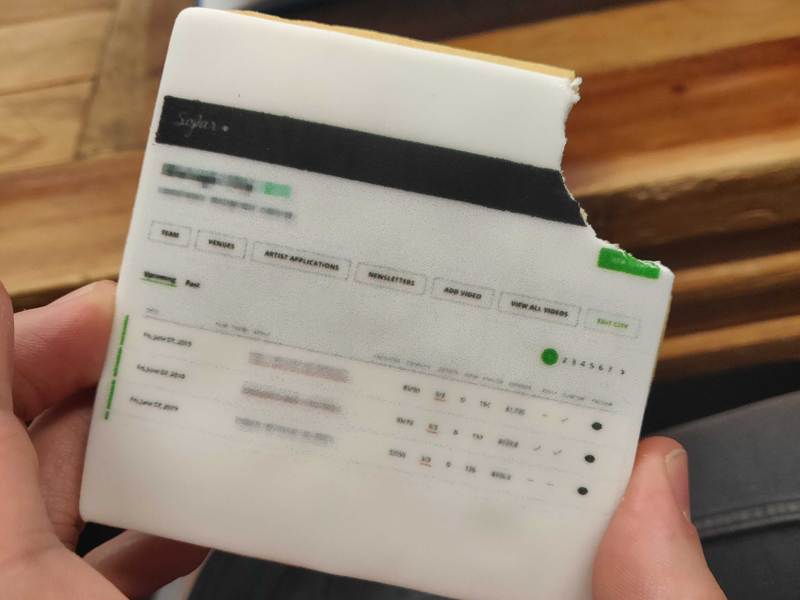
We even had a launch party and got to take a bite out of my design! 🍪
Artist Review System
The Artist Review System aimed to streamline how Sofar Sounds’ global teams managed artist applications and consolidated artist data. Previously, teams relied on multiple workarounds, such as Google spreadsheets and third-party software, resulting in inconsistencies in application processing. The goal was to centralize artist data, automate manual steps, and allow for more efficient review and management of artist applications.
Problem
Artist Bookers and Directors used various tools to process artist applications, causing inefficiencies, scattered data, and security risks. There was no unified system, and the existing solutions failed to keep up with the growing volume of artist applications. We hypothesised that a centralized system would streamline the review process and reduce reliance on manual tools.
Users & Audience
The platform’s users included Artist Bookers, City Directors, and other Sofar team members responsible for managing artist applications across the globe.
Roles & Responsibilities
As Lead Product Designer, I collaborated with a Senior Researcher, Product Manager, and Engineers across different time zones (UK, US, and Argentina). Key stakeholders included the VP of City Operations, Head of Product, and VP of Technology.
Scope & Constraints
The project took two weeks from brief to hand-off and another 2-week sprint to implementation. During the project, our team was seated in the UK, the US, and Argentina.
Process
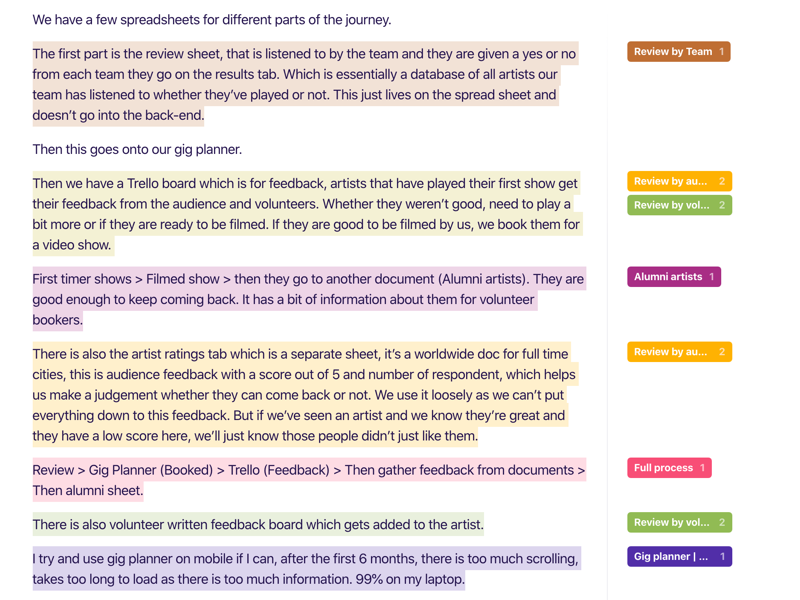
Discovery: I leveraged data from the 'Gig Planner project and the Artist Application page redesign. Together with the Senior Researcher, we conducted discovery interviews with 10 Artist Bookers and analyzed their workflows.
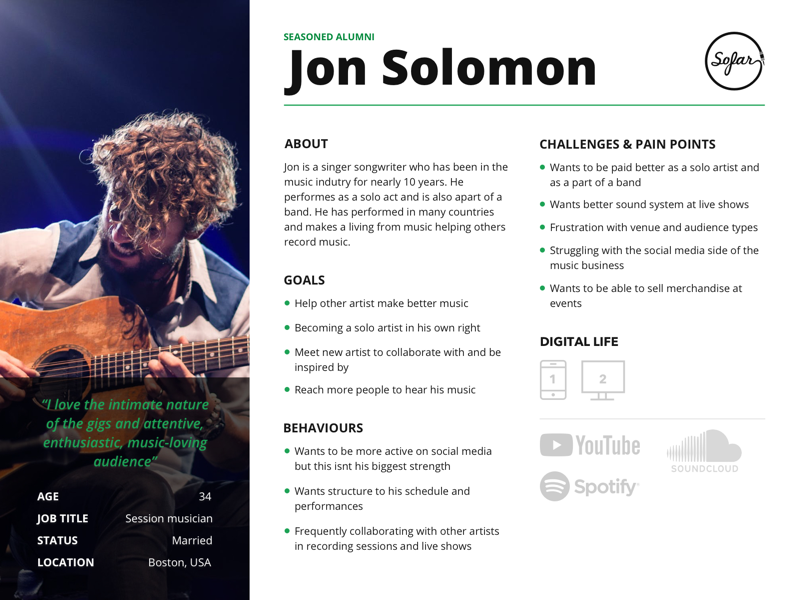
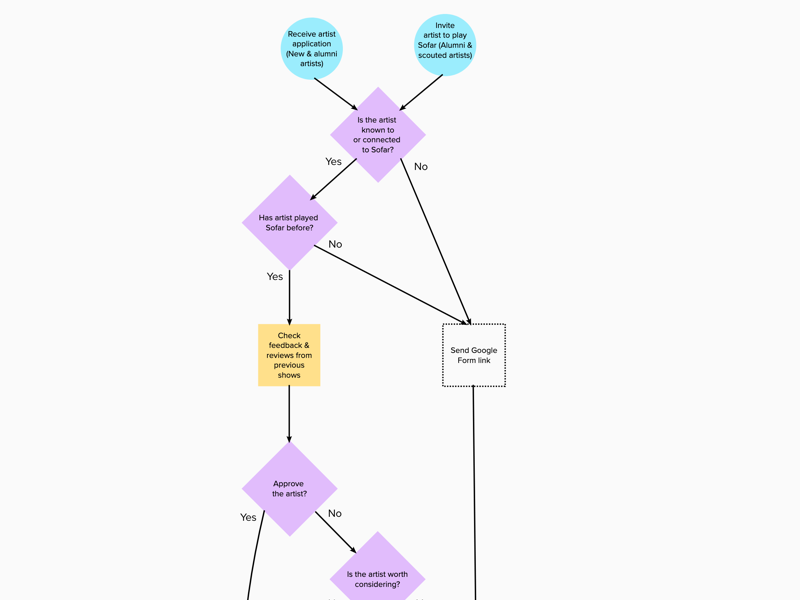
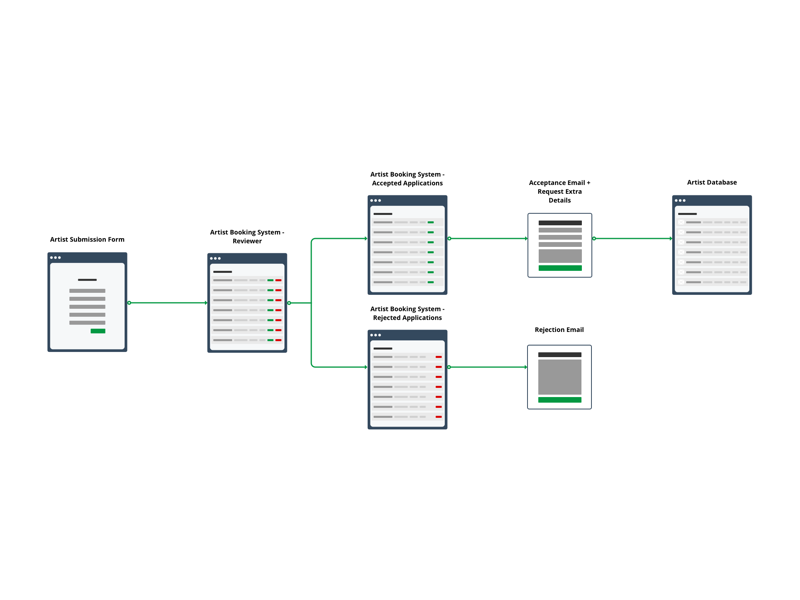
Analysis: We created service diagrams mapping the artist and booker processes and synthesized personas to represent their needs and pain points. Competitor and heuristic analysis provided additional insights.
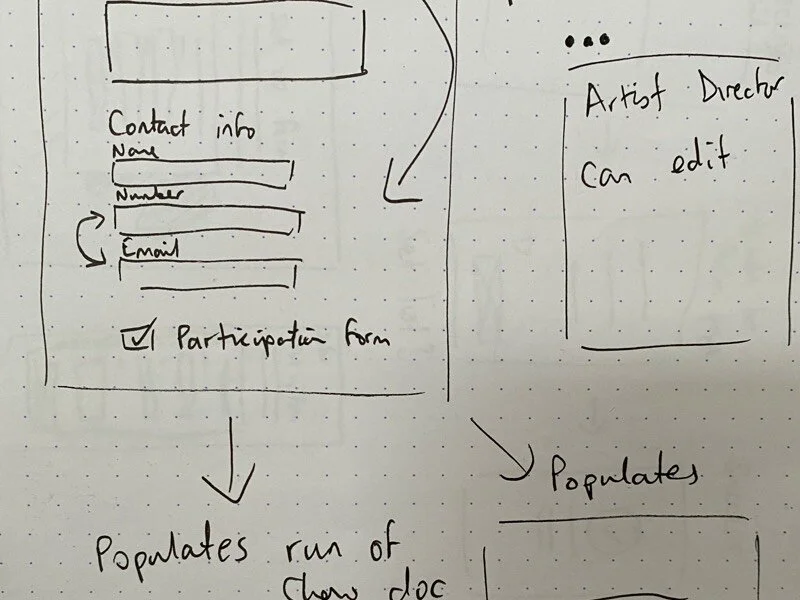
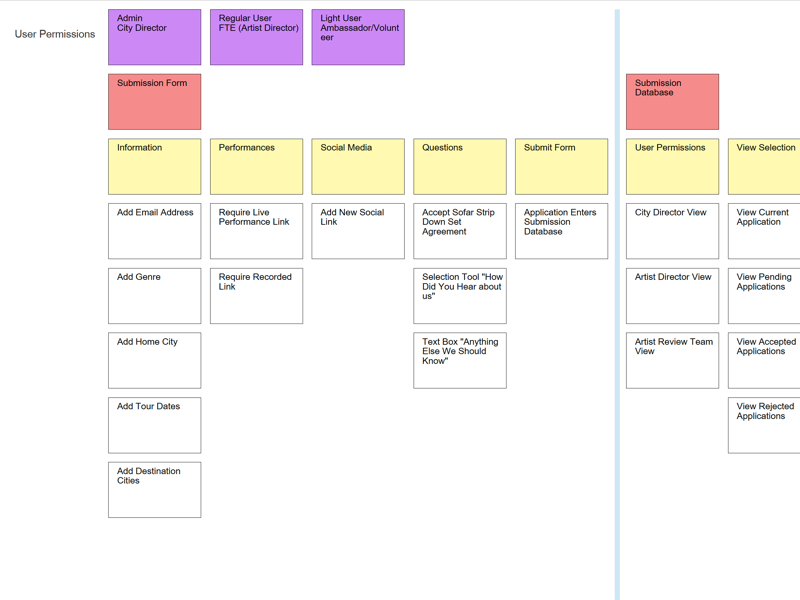
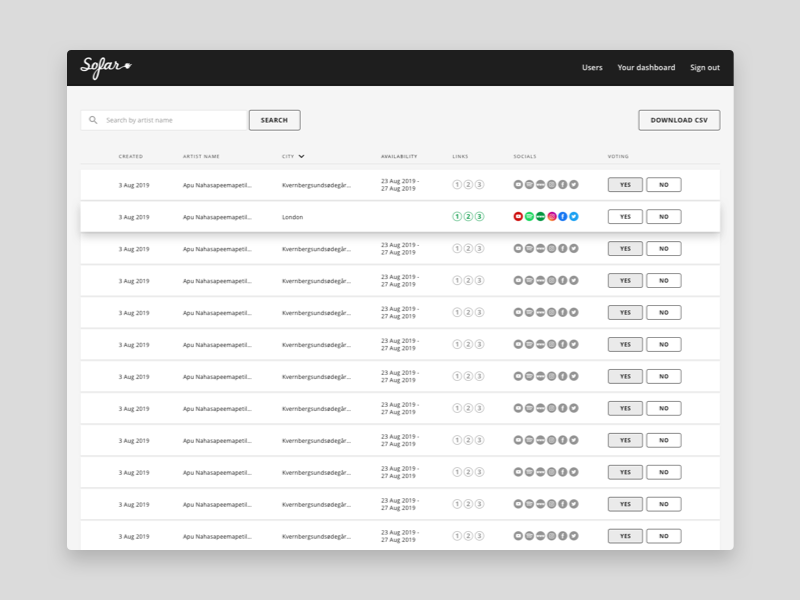
Ideation & Prototyping: After iterating on several solutions, we developed two key workflows: a centralized artist database and automated application processes. Features included search and archive functionality, editable artist profiles, and an anonymous voting system for artist evaluations.
Testing & Iteration: Usability tests were conducted with Artist Directors, Bookers, and community members. Feedback led to refining the final solution before handing it over to Engineers for implementation.
Outcomes & Lessons
The Artist Review System significantly improved efficiency in managing artist applications, reducing turnaround time, and streamlining the workflow for Artist Directors and Bookers. Teams abandoned their previous workarounds, and the platform was adopted globally. We measured success through a SUS survey post-launch, which helped benchmark the product’s usability and identify further improvements.



Venue Review System
The Venue Review System aimed to streamline the process for managing venue applications submitted by hosts looking to organize Sofar Sounds events. Previously, global teams relied on spreadsheets and email follow-ups, which were inefficient and scattered data across different platforms. The goal was to create an internal solution that centralized venue applications, integrated with existing systems, and automated parts of the process to save time and increase security.
Problem
Our distributed teams used various workarounds to process venue applications, leading to inefficiencies and insecure data storage. We hypothesised that creating a centralized venue application system would reduce these workarounds, save time, and provide scalability for future needs.
Users & Audience
The users included Venue Scouts and other part-time and full-time Sofar staff responsible for managing venue applications globally.
Roles & Responsibilities
As Lead Product Designer, I collaborated with a Senior Product Designer, Product Manager, and Engineers located in the UK, US, and Argentina. Key stakeholders included the VP of City Operations and the Head of Product.
Process
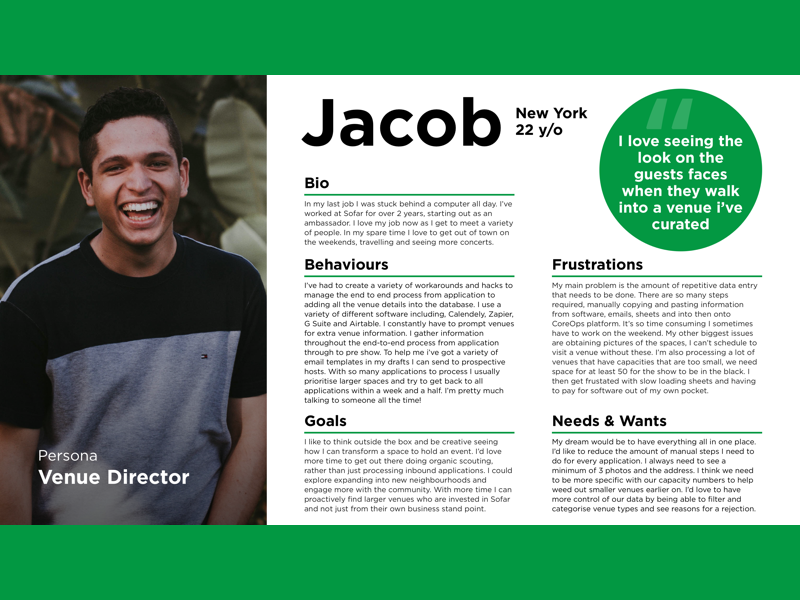
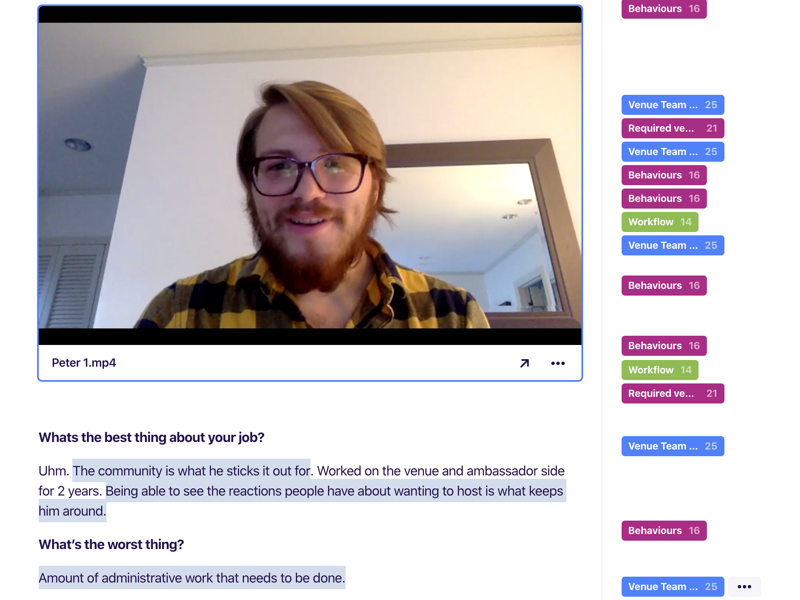
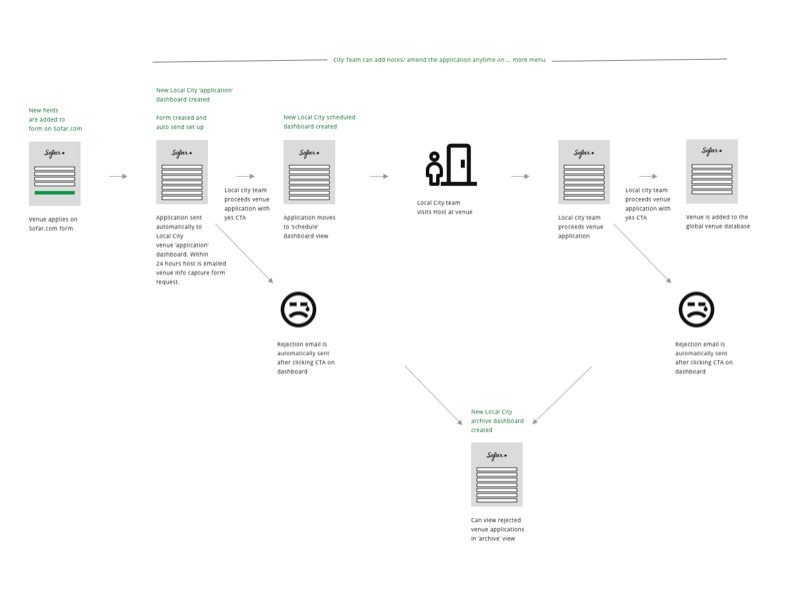
Discovery: I led the heuristic analysis, mapped user flows, and consolidated previous research. With the Product Designer, we sketched and ideated new flows and interaction designs. We conducted usability testing on low-fidelity prototypes with users in London and New York, synthesizing insights into personas and user stories using Dovetail.
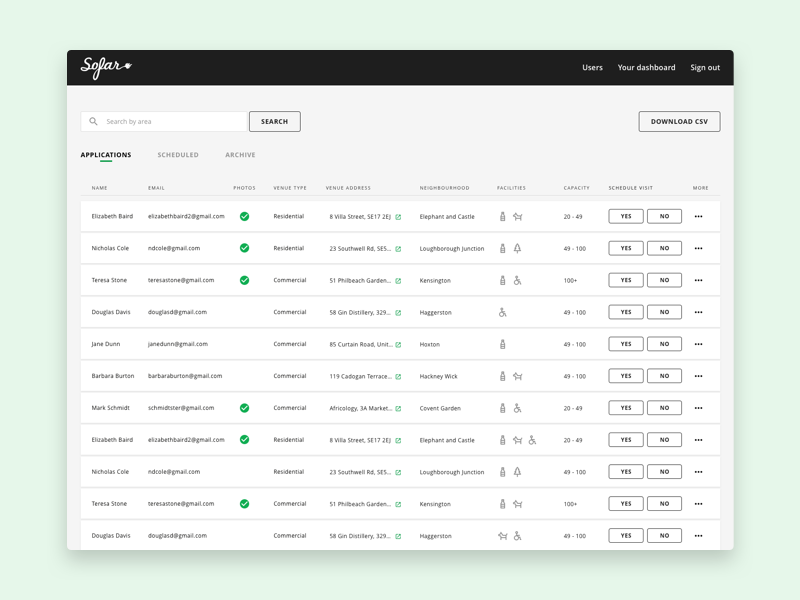
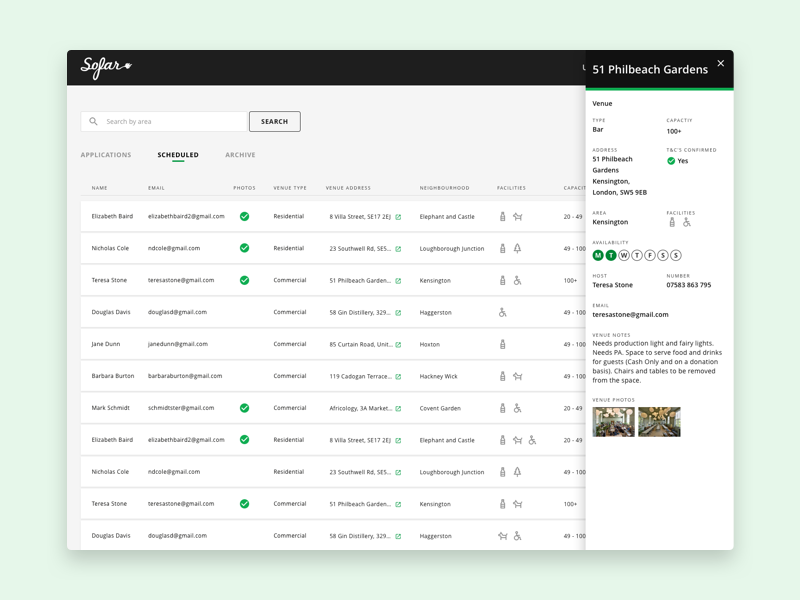
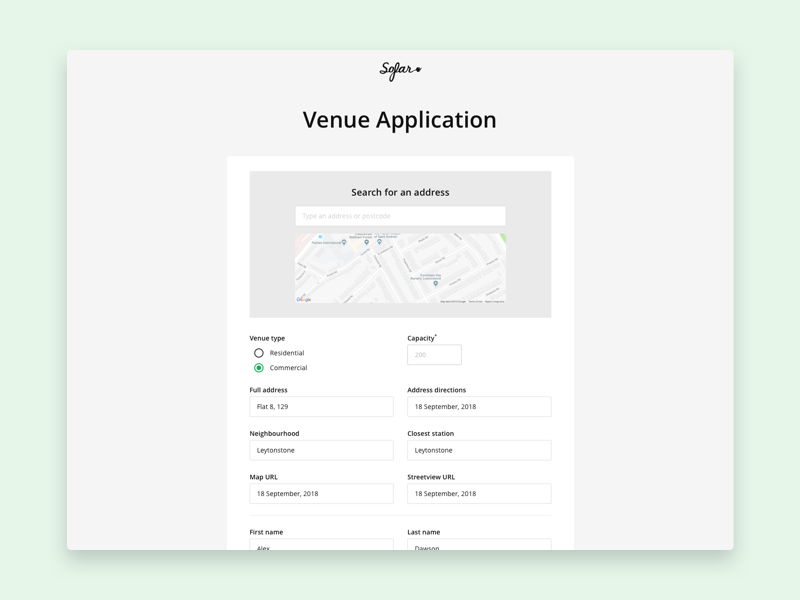
Design & Testing: We focused on improving efficiency by automating steps in the venue review process and centralizing venue data in a searchable database. The system was integrated with ‘Gig Planner’ to reduce manual data entry. We conducted guerrilla testing with the London team, refining the design based on feedback. To accelerate the build, we reused components from the Gig Planner and Artist Review System.
Final Testing & MVP: After refining the design to an MVP, we conducted a final round of usability testing, focusing on key interactions and ensuring the solution met user needs before developer handoff.
Outcome
The Venue Review System successfully centralized venue applications eliminated the need for manual workarounds, and improved the efficiency and security of the process. The new architecture made it easier to maintain and scale the system. Teams worldwide adopted the platform, and the venue review process became more streamlined and secure.