Building the Design Function at Sofar Sounds
2018–2020
Sofar Sounds hosts intimate live music events in over 330 cities worldwide - in living rooms, warehouses, rooftops, and anywhere unexpected. When I joined as Senior Product Designer, the company had design ambition but not design infrastructure. A junior researcher and rotating contractors had been relied upon to fill a leadership gap that hadn't been properly addressed. Research was happening but not translating into decisions, an A/B testing programme was running without strategy or measurable results, the hiring process was ad hoc, and design influence on product was limited. There was budget for design investment but no clear framework for where to put it.
Within the first year, having taken on the team management, design strategy, and DesignOps work the role demanded, I was promoted to Lead Product Designer - a recognition that the scope had expanded well beyond the original brief.
Over two years I rebuilt the foundation - growing the team, establishing DesignOps, building Sofar's first design system, and creating the conditions for design to operate as a strategic function rather than a delivery service.
Growing and Leading the Team
When I arrived there was one permanent designer at senior level - me - alongside a junior researcher and contractor dependency the business had been relying on to fill the leadership gap. Over two years I hired and managed seven individuals in total, including permanent designers, senior researchers, and contractors brought in for specific needs.
The hiring process itself needed rebuilding. I wrote proper job specifications, designed structured interview tasks and whiteboard challenges, and introduced a consistent evaluation framework. Previously candidates had been assessed inconsistently; by the time I left, the process was repeatable and was being used to hire my own replacement - a Head of Design, which I recruited for and handed over to.
I also redesigned Sofar's careers and job application pages, ensuring the hiring experience reflected the design-led culture we were building - and making it easier to attract the right candidates in the first place.
I also attended university final project presentations to meet early-careers designers before roles were even open - building a recruitment pipeline rather than scrambling to hire when a gap appeared.
Managing the team included navigating a formal performance management process with one team member - a situation I worked to resolve constructively, but which ultimately ended in dismissal. That experience, uncomfortable as it was, sharpened how I approach team culture, clarity of expectations, and early intervention when things go wrong.
I developed a UX competency framework to give designers a clear progression path across both technical and soft skills. We ran regular design critiques, retrospectives, and one-to-ones - and made enough space for the team to actually enjoy working together, which in a fast-moving startup is easier to neglect than to maintain.
When I left the permanent team consisted of a Senior Researcher, a Product Designer based in Boston, a contractor designer, and a newly hired Head of Design. The groundwork was in place for whoever came next to build on rather than rebuild.


Establishing DesignOps
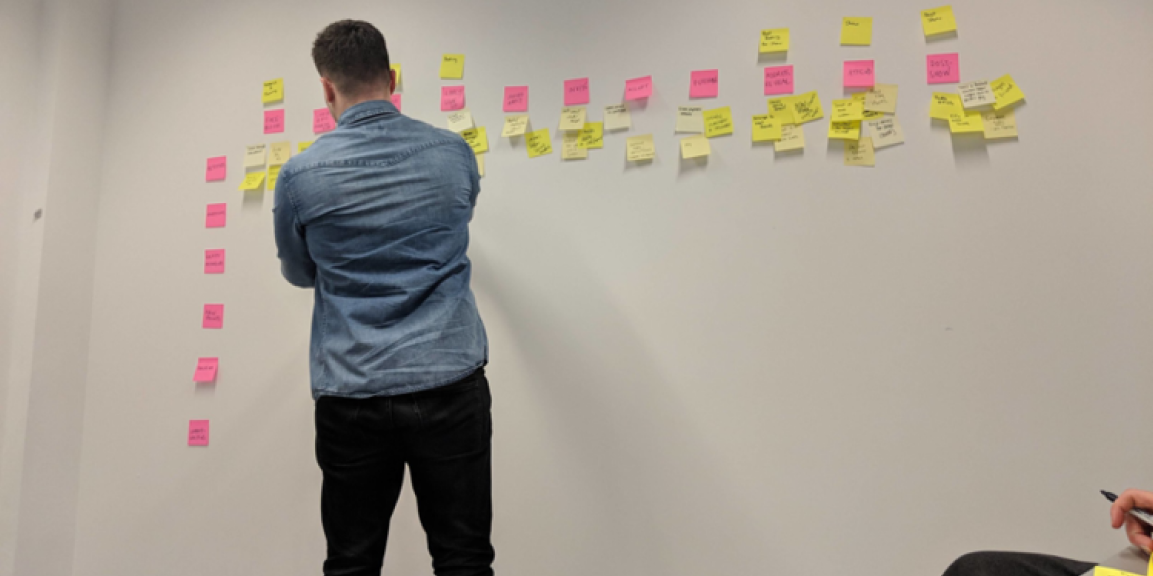
Before I arrived, there were no formal project kickoffs, no design briefs, no sprint planning for design work, and no consistent way of tracking what the team was working on or why. The A/B testing programme existed but lacked hypotheses, measurement frameworks, or learning loops - tests were running but not generating actionable insight.
I introduced structured kickoffs and briefs, integrated design into Jira sprints, defined design principles, and created a UX roadmap aligned to business objectives. Crucially, I gave the testing programme rigour: clear hypotheses before tests ran, defined success metrics, and synthesis processes that fed findings back into the product roadmap. The results of that shift are visible in the PPC work - a 13% conversion rate increase and 41% activation rate increase from a programme that previously had nothing to show.
I also rationalised the design budget. The company had seeded investment in design without a clear framework for how to spend it. I built that framework - prioritising tooling, research infrastructure, and team capability in a sequence that made each investment build on the last.


Building Maestro - Sofar's First Design System
When I joined, design assets were inconsistent across the platform, there was no shared component library, and designers and engineers had no common language for UI decisions. Every new feature started from scratch.
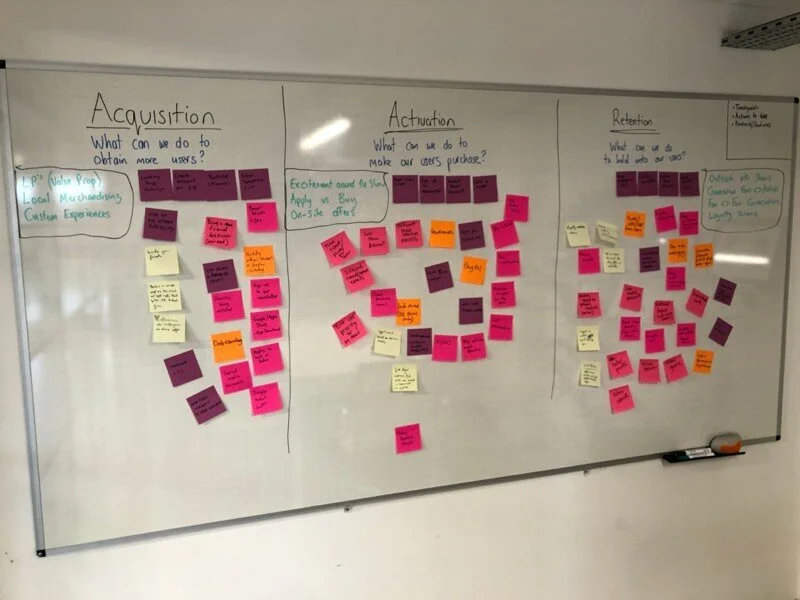
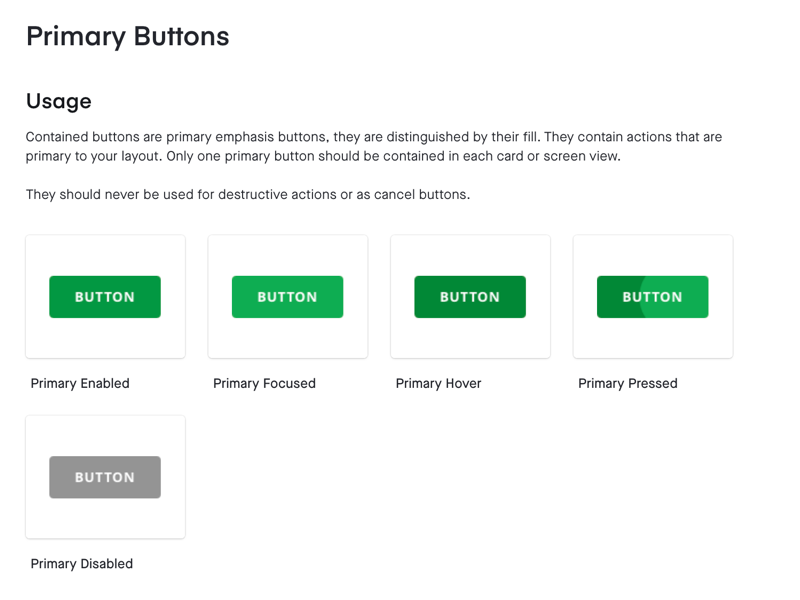
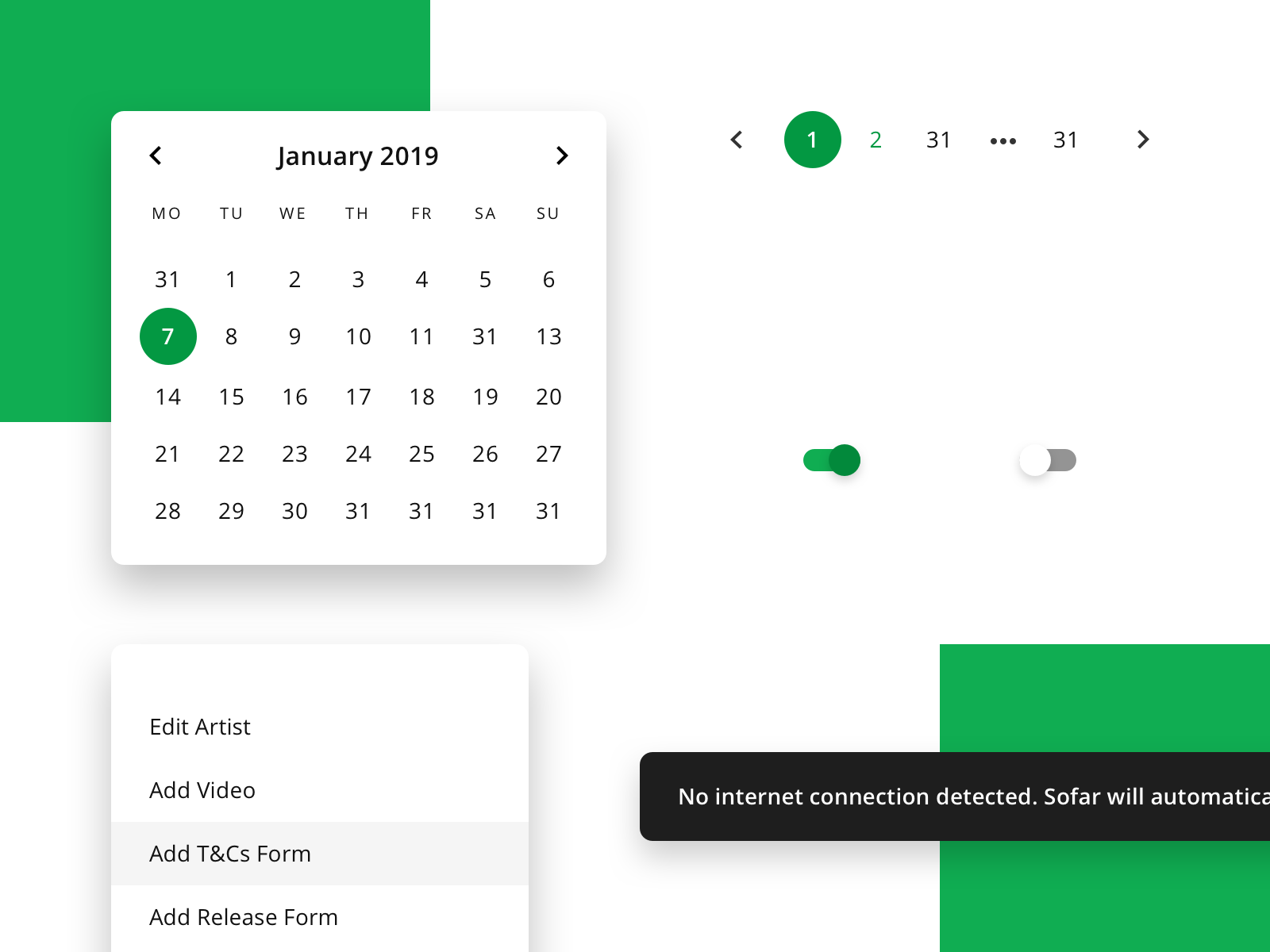
I led a heuristic evaluation of the entire site, identified the inconsistencies and gaps, and pitched the concept of a design system to the leadership team. Once I had buy-in, I built Maestro from the ground up - covering typography, colour, spacing, iconography, components, and usage guidelines - with accessibility and inclusivity built in from the start rather than retrofitted.
Maestro was validated through the blog redesign, which served as a real-world test of the system before broader rollout. From there it expanded across much of the platform. When COVID hit and Sofar could no longer run live events, the team built a live listening page in rapid response to the crisis - Maestro components made that possible at speed. After I left, the company went through a full redesign and reskin. Many of Maestro's components survived that process and are still on the site today, which is the most honest measure of a design system's quality: whether it outlasts the person who built it.


Building the Research Infrastructure
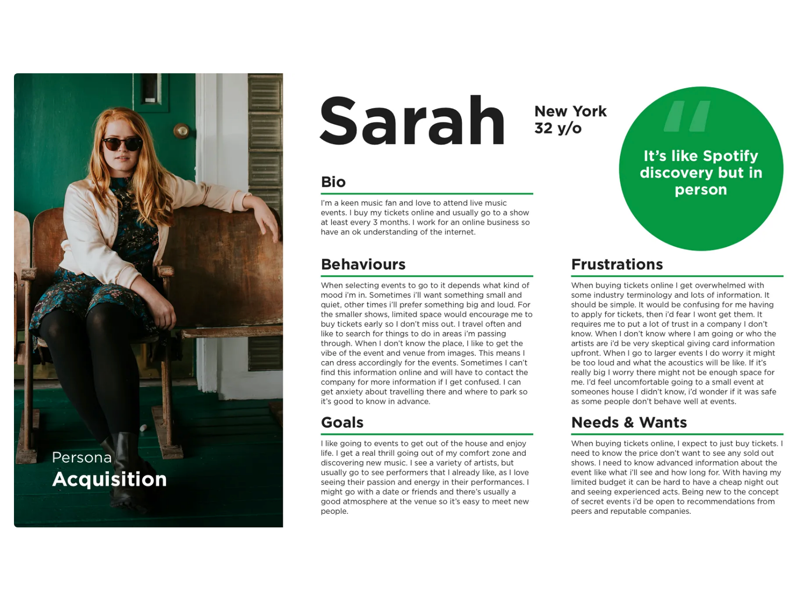
Research was happening before I arrived but without the infrastructure to make it systematic. I built that from scratch: a fully equipped research lab with devices, furniture, and live-streaming capability for remote stakeholder observation; a research repository in Dovetail; a participant recruitment process through Usertesting.com and recruitment agencies; and a panel of over 200 opted-in Sofar users available for ongoing testing.
I also introduced quantitative UX metrics - System Usability Scale (SUS) and SUPRQ scores - to benchmark product usability over time. Previously design decisions were validated qualitatively or not at all. These metrics gave the team a consistent baseline and made design impact measurable in a way that resonated with product and engineering stakeholders.


Influencing Product Direction
The most important shift over two years wasn't any individual project - it was design moving from a function that responded to briefs to one that shaped them. By the time I left, design had a seat in roadmap planning, research findings were feeding directly into product strategy, and the Head of Design I hired was joining a team with genuine organisational influence rather than starting from scratch.
The Gig Planner project is a good illustration of what that shift looked like in practice. I inherited a project mid-flight with contradictory research, a user story map full of errors, no stakeholder alignment, and a team that believed their work was done before the problem had been properly defined. I reset it - ran the kickoff that should have happened at the start, rebuilt the research foundation, got the right stakeholders in the room, and delivered a platform now used by Sofar's global city teams to manage hundreds of events every week.
That kind of intervention - identifying when a project is solving the wrong problem and having the standing to redirect it - is what design leadership looks like beyond the craft.


The Sofar PPC work - including the 13% conversion rate increase and 41% activation rate increase - is documented separately as a standalone case study.